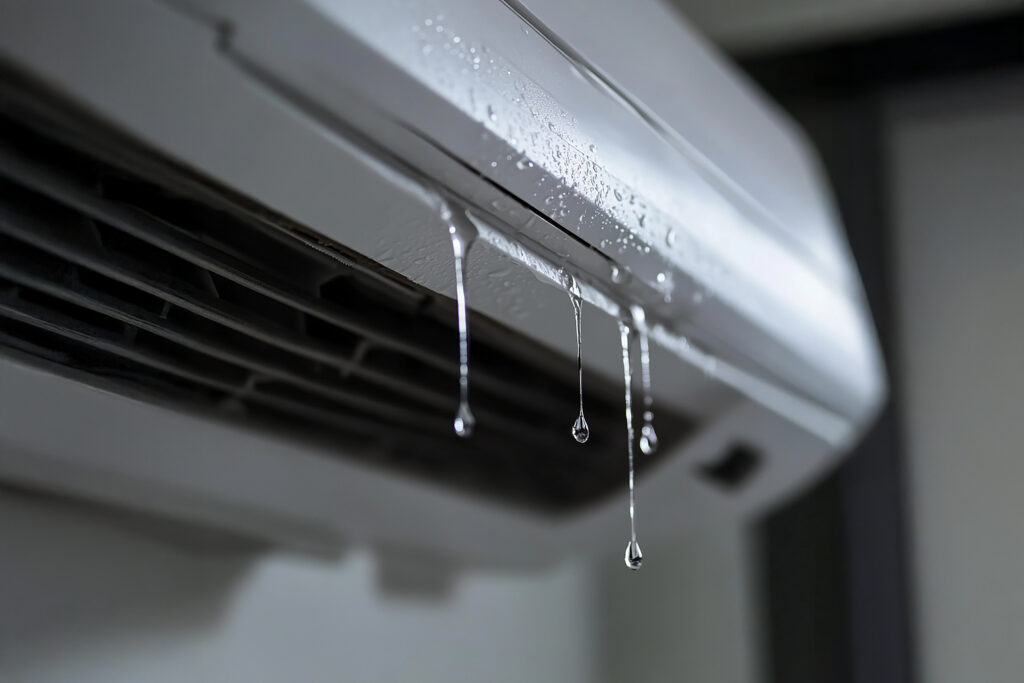
Ever switched on your aircon expecting instant relief, only to find water dripping from the indoor unit, a damp patch creeping down the wall, or even a puddle on the floor, sometimes with a musty smell? If this is happening in your HDB or condo, you’re not alone.
Want to know what’s really causing your aircon to leak water? In this guide, we’ll break down the most common causes and explain when it’s best to call a technician before things get worse.
Common Causes Of Aircon Water Leaks In HDB And Condo Units:
1. Choked or Clogged Drainage Pipe
This is the most common reason for aircon leaks in Singapore homes. Your aircon pulls moisture from the air and drains it away through a small pipe. Over time, dust, dirt, slime, and algae build up inside the drain line. Once it’s blocked, the water has nowhere to go and starts overflowing from the indoor unit.
Common signs:
slow dripping that gets worse, gurgling sounds, or a musty smell.
2. Dirty Air Filters Restricting Airflow
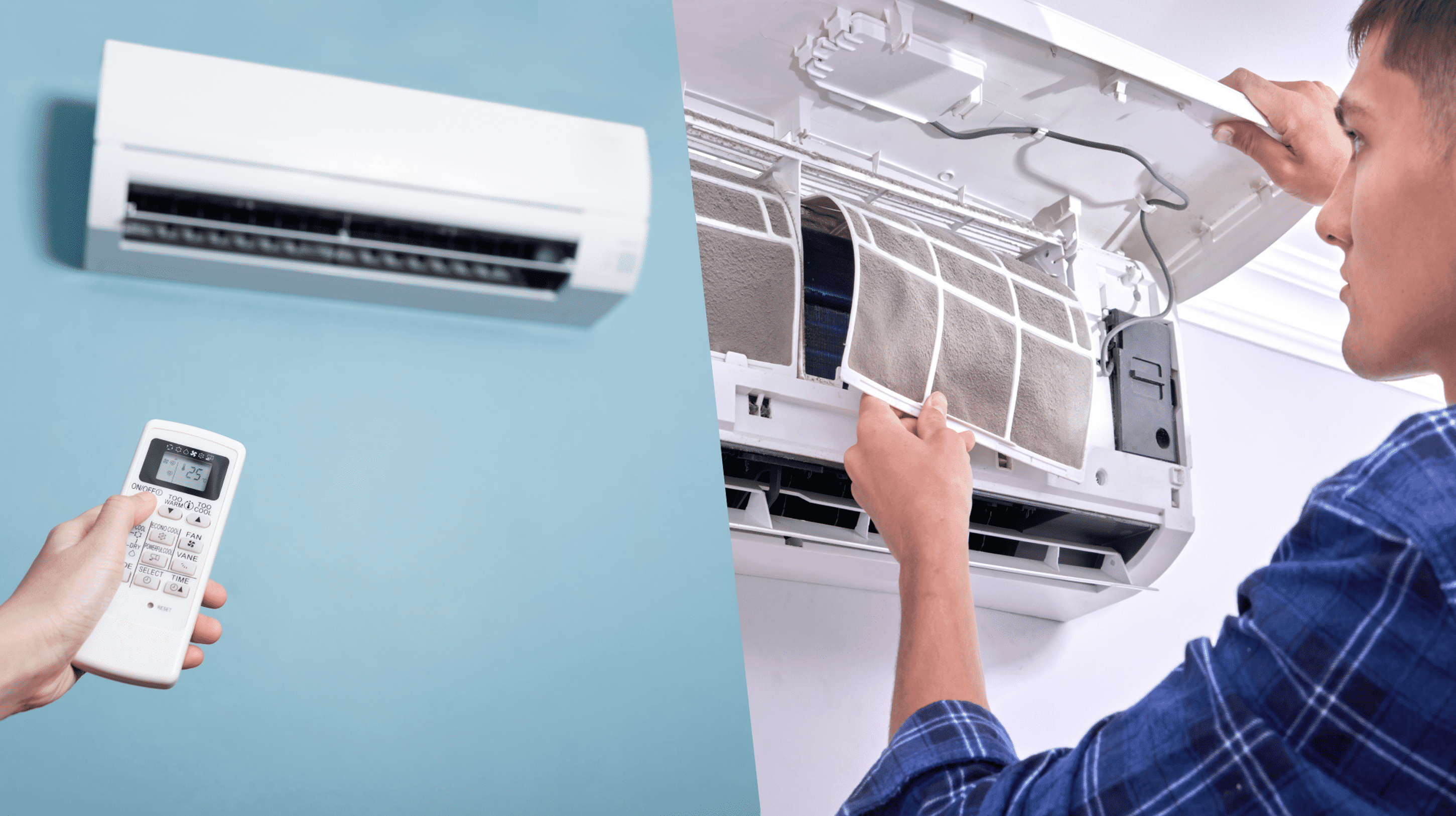
When filters are clogged with dust, airflow becomes weak. This causes the evaporator coil to get too cold and freeze. When the ice melts, it produces excess water that can overwhelm the drainage system and leak out.
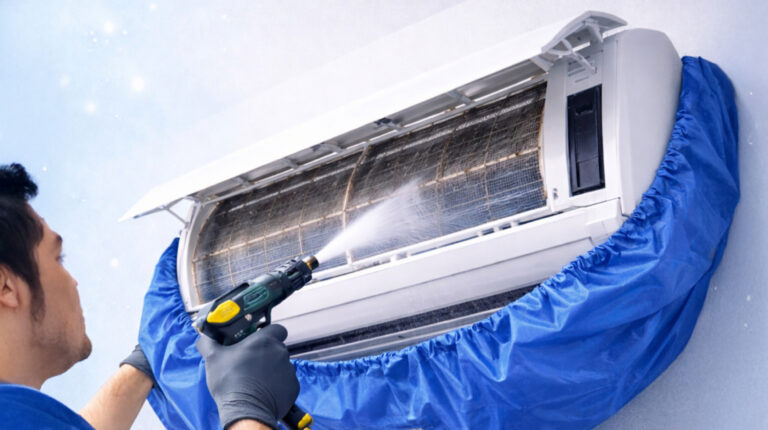
Regular aircon cleaning can prevent this issue, especially in bedrooms that run overnight.
3. Frozen Evaporator Coil
If you see ice forming inside the unit, that’s a red flag. Freezing can happen due to restricted airflow, dirty internal components, or low refrigerant levels. When the ice thaws, water may drip heavily and suddenly. If icing keeps happening, basic filter washing won’t solve it. The root cause needs proper diagnosis.
4. Improper Drain Pipe Slope (Common in Condos)
In many condo units with concealed piping, the drain pipe may not be positioned at the proper angle. For drainage to work correctly, water needs to flow downward smoothly by gravity. If the angle is wrong, water collects and eventually overflows.
If the leaking begins shortly after installation or renovation work, it’s often a sign that this is the underlying problem.
5. Cracked or Rusted Drain Pan
Older units may develop rust or cracks in the drain pan that holds condensation before it exits through the pipe. When the pan is damaged, water drips directly from the unit instead of draining properly.
This usually requires part replacement rather than simple flushing.
6. Refrigerant (Gas) Issues
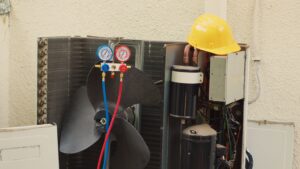
Low refrigerant levels can cause pressure imbalances that lead to coil freezing and water leakage after thawing. However, refrigerant doesn’t just “run out.” If levels are low, there is usually a leak in the system that needs repair, not just topping up.
7. Poor or Infrequent Servicing
In Singapore’s humid environment, aircons work hard almost every day. Without regular aircon servicing, dust builds up, drainage lines clog, and components wear down. Small issues slowly turn into water leakage problems. Opting for routine aircon maintenance every few months helps prevent minor drainage or airflow faults from ruining ceilings or walls.
8. Insulation Problems or “Sweating” Pipes
Sometimes the leak isn’t from inside the unit but from condensation forming on poorly insulated pipes. When cold refrigerant pipes meet warm, humid air, water droplets form and drip along the trunking.
This is common in older installations or after renovation works where insulation was disturbed.
Warning Signs Your Aircon Leak Needs Professional Repair:
Make sure to call a technician immediately if water is leaking near electrical sockets or the DB, as this is a serious safety risk. If the unit continues dripping after you’ve cleaned the filters or if ice keeps forming, the issue likely requires proper aircon troubleshooting to fix the root cause. Stains on walls or ceilings, especially in condo units with concealed piping, suggest a deeper drainage or installation problem that needs professional attention.
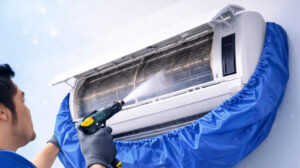
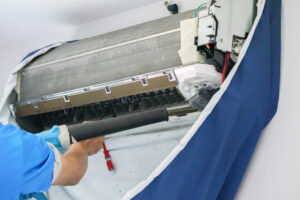
At PeakCool, every case starts with a thorough on-site inspection to determine whether the leak is caused by drainage blockage, condensation, or coil icing. If needed, the team will flush the drain line and apply anti-algae treatment to restore proper flow. Where airflow problems are involved, a chemical wash may be carried out to improve cooling performance and prevent further icing. The technician will also assess fan performance, refrigerant pressure, and the drainage slope to make sure the issue is fully resolved.
Conclusion:
If you put off fixing an aircon leak, it can escalate into mould growth, stained ceilings, and potential electrical hazards. The sooner the root cause is identified, the easier and more affordable it is to fix properly. If your aircon is leaking in your HDB or condo, let PeakCool carry out a detailed inspection and resolve the issue at its source. Don’t wait until a small drip turns into costly damage. Contact us today, and we’ll get your aircon running safely and efficiently again.