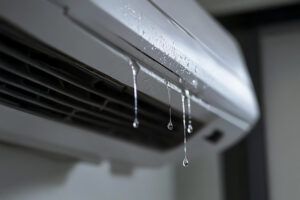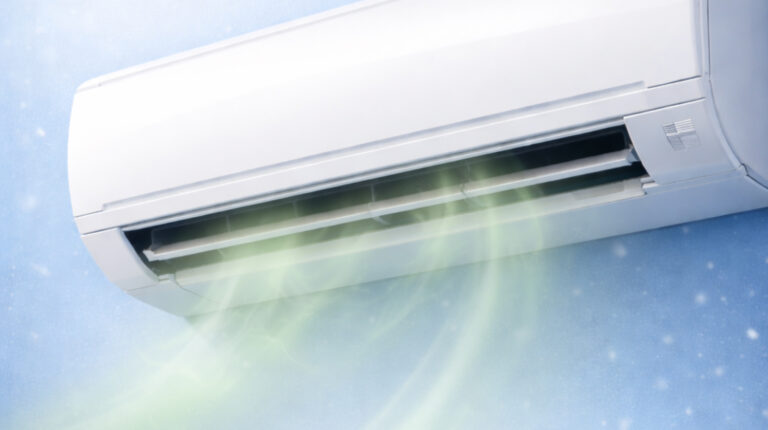
In Singapore’s heat and humidity, aircons work overtime, which means grime and dampness build up quicker than most people realise. That’s when the warning signs pop up: weak cooling, water leaks, a musty smell, a noisier unit, or even a higher electricity bill because the system is struggling. This is exactly why regular aircon maintenance isn’t just “nice to do”; it helps your unit cool better and prevents small problems from becoming expensive ones.
A general aircon servicing isn’t a “wash the filter and done” job; it should also include cleaning the evaporator coil and reachable internal parts, and flushing the drain pan and drainage line so water drains correctly. Peak Cool’s technicians also test airflow and temperature, look out for leaks or unusual noise, and explain refrigerant checks clearly. Curious what technicians exactly do during a professional aircon servicing? Here’s the full breakdown.
Professional Aircon Servicing: What To Expect (Step-By-Step Checklist)
1) Quick check-in and symptom review
The technician starts by asking what you’ve been noticing, like weak cooling, leaks, smells, or unusual noise, and how long it’s been happening. They’ll confirm how many units you’re servicing, the system type, and any access issues (like high-mounted fan coils). This is also when they explain what the visit will cover, so you know what you’re paying for and what’s optional.
2) Visual inspection before opening the unit
Before removing any panels, the technician checks the casing, louvres, and surrounding wall area for water stains or signs of previous leaking. They’ll listen for odd sounds during operation and look for signs like icing, which can hint at airflow restrictions. This quick scan helps them decide where to focus once the unit is opened.
3) Protecting your home and setting up the workspace
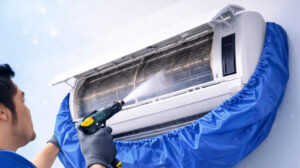
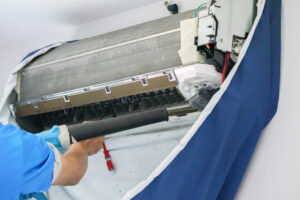
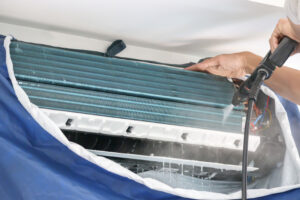
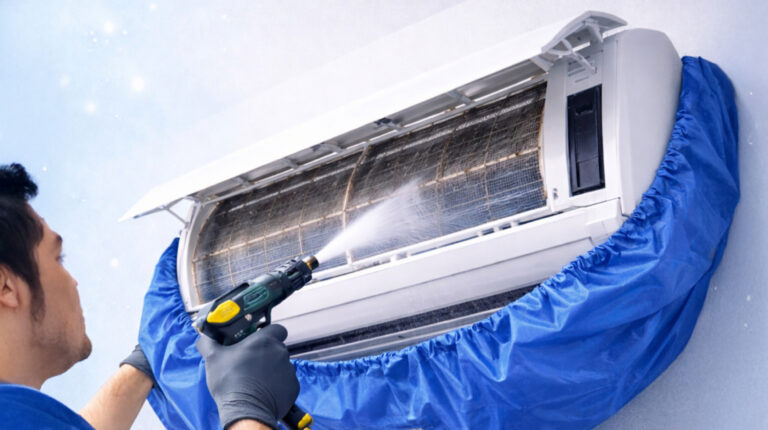
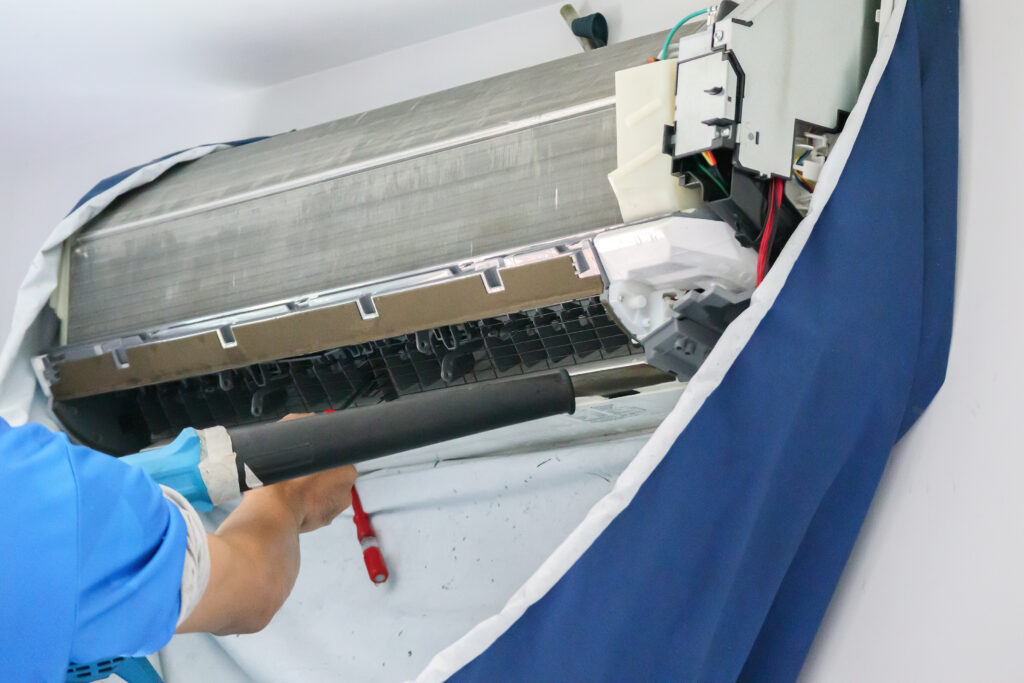
Next, they’ll lay down protective sheets and cover nearby furniture to prevent splashes and drips. A wash bag is usually fitted around the indoor unit to channel dirty water safely into a bucket or drain. This step matters because a neat setup often signals the job will be done properly, not rushed.
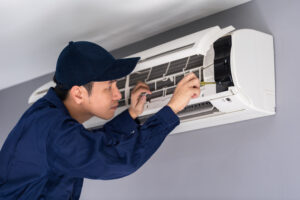
4) Opening the indoor unit and removing filters
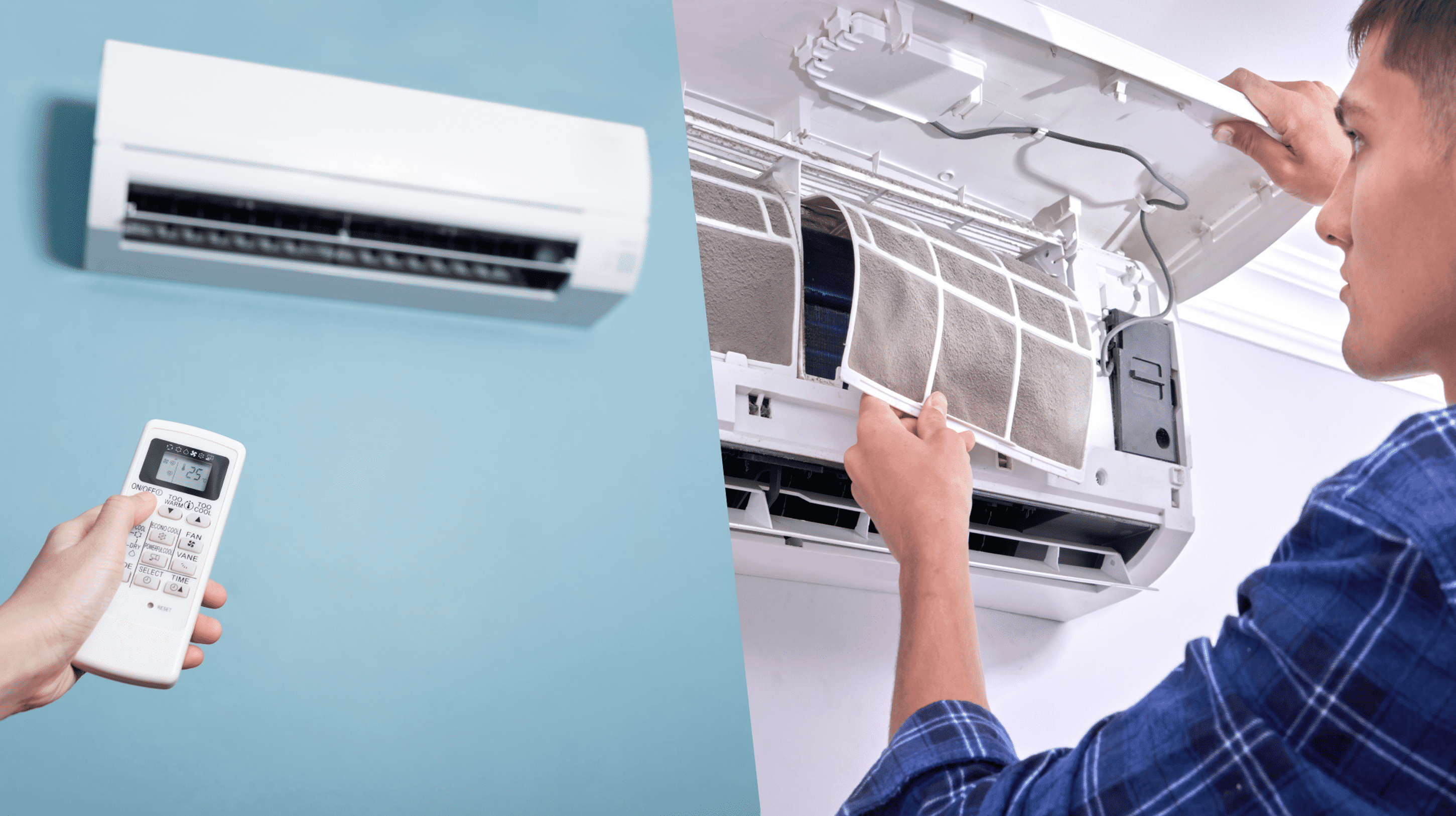
The front panel is opened carefully, and filters are removed for inspection and washing. The technician checks how clogged they are, whether there’s oily grime, and if the filter frame is warped or damaged. They may also point out if poor airflow is mostly due to filter blockage or deeper internal build-up.
5) Washing filters thoroughly
Filters are rinsed properly to remove dust and trapped particles, not just quickly splashed with water. The technician ensures they’re cleaned evenly and not bent out of shape during washing. Filters are then left to drain or dry before reinstalling, because wet filters can contribute to damp smells.
6) Cleaning the coil and reachable internal surfaces
The technician cleans the evaporator coil surface and accessible internal areas where dust tends to cling and reduce cooling efficiency. This part of aircon cleaning is important because a dirty coil can make the system run longer to cool the same room. Done well, it improves airflow feel and helps the unit cool faster without needing to crank the temperature down.
7) Blower and fan area attention (where accessible)
They’ll check the blower wheel and fan area for heavy dust build-up that can weaken airflow and cause a stale smell. If the blower is heavily clogged, the technician may explain that basic cleaning might not be enough to restore performance fully. This is also where they check for rubbing sounds or imbalances that could create extra noise.
8) Drain pan and drainage line flush (leak prevention)
The drain pan is cleaned to remove sludge, and the drainage line is flushed to ensure water can flow out smoothly. The technician may test drainage by observing discharge and checking that water isn’t backing up into the unit. If leaks have been happening, this step is often the make-or-break part of a proper service.
9) Outdoor unit checks and basic upkeep
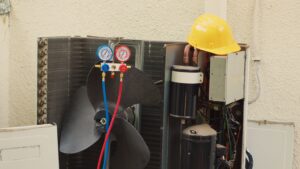
The outdoor condenser is inspected for dust build-up, blocked airflow, bent fins, or signs of unusual vibration. They’ll confirm the area around the condenser has enough clearance so hot air can escape properly. If it’s lightly dirty, a basic rinse may be done, and if it’s heavily clogged, they’ll recommend a deeper clean.
10) Test run, performance check, and next-step recommendations
After reassembly, the technician runs the system and checks airflow strength, cooling performance, and any signs of dripping during operation. If the unit still doesn’t cool well after normal cleaning, they’ll discuss likely causes and move into aircon troubleshooting rather than pushing random add-ons. For stubborn internal build-up, they may recommend an aircon chemical wash, and for severe cases with long-term neglect or recurring issues, they may advise an Aircon Chemical Overhaul as the more complete reset.
Conclusion:
A professional servicing should leave your aircon noticeably cooler, quieter, and cleaner, not just “filters washed.” When you know what’s supposed to happen during the visit, you can tell the difference between a thorough job and a quick wipe-down that doesn’t fix the root cause. If you’ve been dealing with leaks, weak cooling, musty smells, or rising bills, it’s best to sort it out early before it turns into a costly repair. Book your next service with Peak Cool for transparent pricing, clear explanations, and a technician who follows the above checklist. Reach out to us today and lock in your servicing slot.