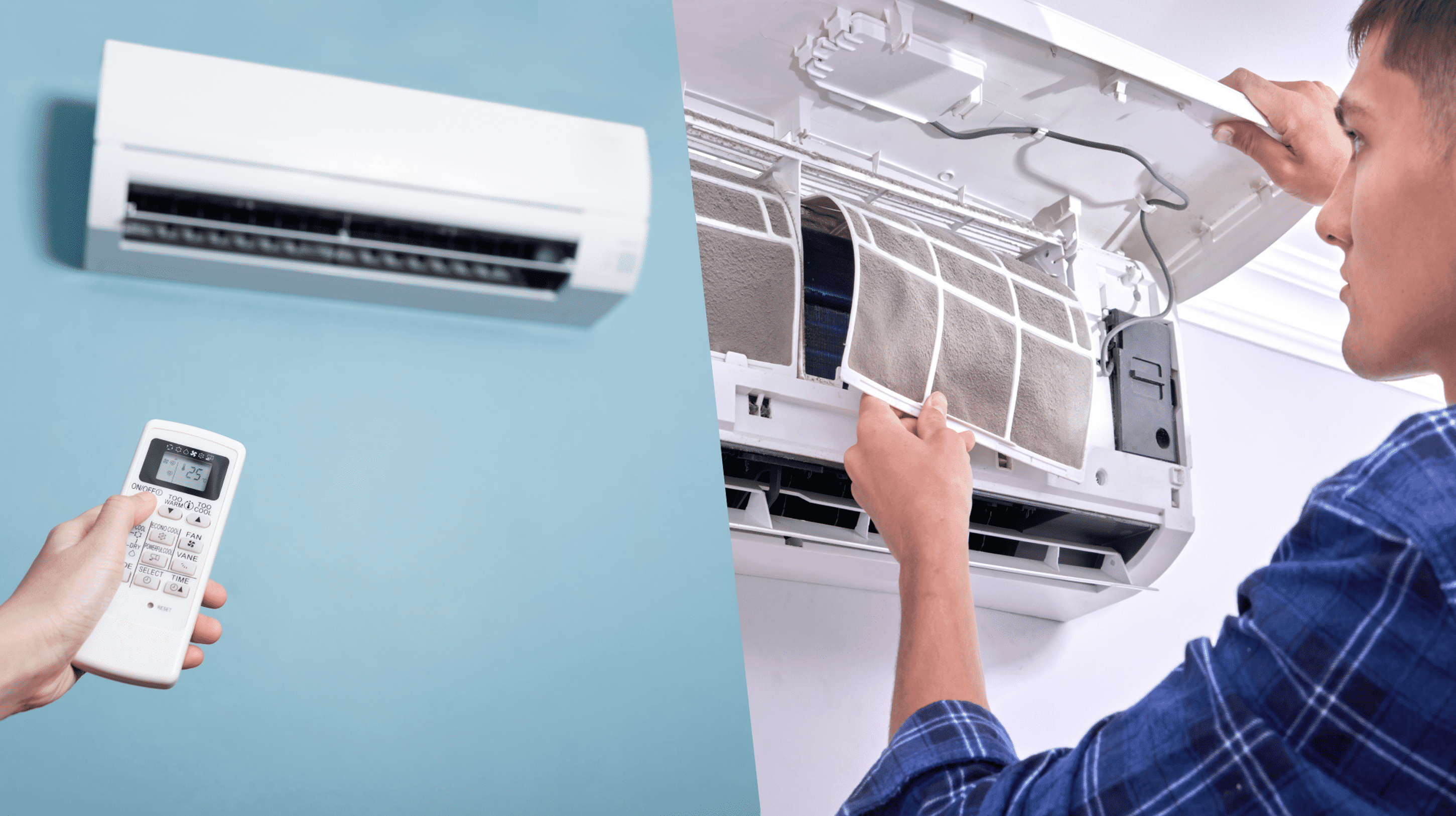
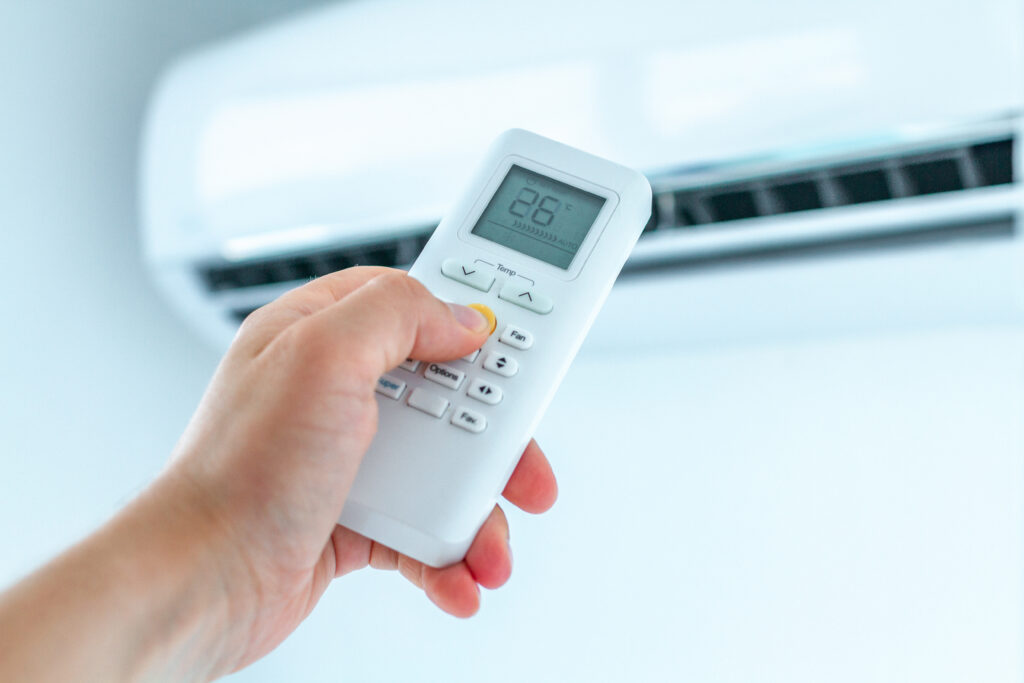
Have you ever wondered why some aircons run all day yet never seem to cool the room, while others blast cold air quickly but leave the space damp and your electricity bills higher than expected? That usually comes down to BTU (British Thermal Unit) sizing: too small and your unit runs nonstop but never cools properly, too big, and it keeps switching on and off, leaving the air clammy and your bills higher. The problem is that most people rely on room size alone or copy what a friend installed, without considering sun exposure, window size, ceiling height, and how each room is actually used.
This guide breaks BTU sizing into a simple approach for 3-room flats, 4-room flats, and condos, so you can shortlist the right options and get a professional air conditioner installation tailored to your home.
The Smart BTU Guide: How To Pick The Right Aircon For 3-Room, 4-Room Flats & Condos
Choosing the right BTU isn’t one-size-fits-all, because different home types cool very differently. A 3-room flat, a 4-room flat, and a condo may look similar on paper, but sun exposure, layout, and daily usage can change what actually feels comfortable. Below is a simple, room-by-room guide to help you choose the right BTU.
-
3-Room Flats: Practical and Focused Cooling
Focus on the bedrooms first because in most 3-room flats, they’re smaller and don’t need an overly powerful unit to feel comfortable. The exception is when your room faces strong west sun, because that late-afternoon heat can linger and keep the space warm long after sunset. Take a quick look at your windows too, because larger windows or light curtains can make a “small room” feel surprisingly warm. For the living room, think about whether your dining area sits in the same open space, because one combined area usually needs a bit more cooling capacity to feel even. Most people go with a System 3, but the smarter move is to plan around how you actually use the rooms. If only the bedrooms run every night, put your BTU budget there instead of overspending on a living room unit that rarely gets switched on.
-
4-Room Flats: Pay Attention to the Living Area
Start with the living and dining zone because this is usually the largest space and the one that frustrates people the most when it’s underpowered. If your unit is west-facing or a corner unit, expect the space to soak up heat in the afternoon and feel warmer. This is where many homeowners accidentally under-size, then wonder why the living room takes forever to cool or feels uneven even when the aircon is running. For bedrooms, you don’t have to treat every room the same, because a study or WFH room that runs all day has different needs from a guest room used once in a while. Layout matters too, since long corridors and lots of partitions can mess with airflow and create hot spots. Plan the system properly so the outdoor unit can support the combined load without being pushed too hard when multiple rooms are on.
-
Condos: Glass, Height, and Layout Matter
Pay close attention to the windows because condos often have more glass, and more glass usually means more heat entering the room. Even if the room size looks similar to an HDB bedroom, full-height windows or balcony-facing panels can change the cooling needs a lot. Ceiling height is another factor to watch, because higher ceilings mean more air volume, and your unit has to work harder to bring the temperature down. Open-concept layouts may look spacious and modern, but in reality, cool air disperses quickly across connected areas, which can make smaller units struggle to keep the main space comfortable. If you’re working from home and running the aircon throughout the day, that consistent usage can change what level of cooling actually feels comfortable. The easiest way to avoid regrets is to size room by room, based on sun, glass, height, and how you actually live in the space.
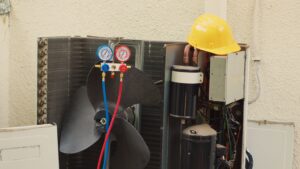
However, remember, even with the right BTU, performance can drop without regular aircon maintenance to keep the filters, coils, and drainage clean. A gas top-up could be required when your aircon’s cooling drops noticeably, often due to low refrigerant.
At Peak Cool, we assess your home’s sun exposure, layout, insulation, and daily usage to recommend the right BTU and system setup. We take care of the key workmanship details that impact long-term performance, from proper piping and drainage to correct unit placement, along with ongoing maintenance support whenever you need it.
Conclusion:
Choosing the right BTU is not about picking the biggest number, but about matching your aircon to how your home actually gains and holds heat. When sizing is done properly, you get steady cooling, better comfort, and fewer surprises on your electricity bill. The key is to consider sun exposure, layout, ceiling height, and real usage patterns instead of guessing based on room size alone.
Get in touch with Peak Cool and allow us to assess your home and recommend the right setup for your flat or condo.