Aircon problems always show up at the worst time: right before bed, during a hot afternoon, or when you’ve got zero time to deal with it. The real decision isn’t repair versus replace. It’s whether you’re fixing the issue once, or paying again and again as breakdowns and costs stack up. To make the choice easier, let’s take a look at four key factors: cost, age, energy efficiency, and how often problems come back.
4 Key Factors That Help You Choose Between Repair And Replacement
Factor 1: Cost — When a Repair Stops Being “Worth It”
-
Typical repair vs replacement costs
In Singapore, a typical aircon repair bill usually includes the faulty part, labour, transport, and sometimes a gas top-up if refrigerant levels are low. Smaller jobs like replacing a capacitor or clearing a choke are relatively manageable. Bigger components like a fan motor, PCB board, or compressor will cost more.
On the other hand, an aircon replacement includes the full system (indoor and outdoor units), installation work, piping and insulation materials, bracket (if needed), electrical connection, and proper testing and commissioning. It’s a higher upfront cost, but it resets the clock on performance and reliability.
-
A simple rule of thumb
A practical guideline many homeowners use:
- If the repair cost is around 30–50% of the price of a new system, it’s time to seriously consider replacing, especially if the unit isn’t young anymore.
- If the issue is a minor part and the system is still relatively new, an aircon repair usually makes financial sense. There’s no need to replace a 4-year-old unit over a small component failure.
-
Hidden costs people forget
- The part you replace isn’t always the full story.
- Repeat call-out fees add up.
- Downtime is inconvenient, especially if it happens during a heatwave.
- Temporary fixes don’t solve underlying wear and tear.
- A struggling unit uses more electricity, quietly increasing your monthly bill.
- Sometimes the cheapest short-term fix becomes the most expensive long-term decision.
Factor 2: Age — How Old Is “Too Old” in Singapore?
-
Typical lifespan
In Singapore’s climate, most residential aircon systems last around 8 to 12 years, depending on usage. Units that run nightly or all day in home offices clock more hours. Maintenance habits, environment (dust, humidity), and installation quality also play a big role.
A well-installed and regularly serviced system will always last longer than one that’s neglected.
-
Age-based guidance
Here’s a simple way to think about it:
- 0–5 years: Repair is usually the better option unless there’s a major compressor or board failure.
- 6–9 years: This is the grey zone. You’ll need to weigh repair cost, efficiency, and breakdown frequency carefully.
- 10+ years: Replacement often makes more sense, especially if problems are becoming regular.
When a unit crosses the 10-year mark, aircon replacement often becomes the more practical long-term investment.
-
Why older units become money pits
As systems age, parts become harder to source and more expensive. You might fix one issue only for another to show up months later.
There’s also a gradual performance drop. Cooling becomes weaker, but because it happens slowly, many homeowners adapt without realising how much performance they’ve lost, until the unit can’t cope anymore.
Factor 3: Efficiency — “Working” Doesn’t Always Mean Efficient
An aircon can still turn on and blow cold air, yet quietly cost you more every month.
-
Signs efficiency is dropping
- The room takes longer to cool than before.
- The unit runs for longer cycles, especially during hot afternoons.
- Your electricity bill rises even though your usage habits haven’t changed.
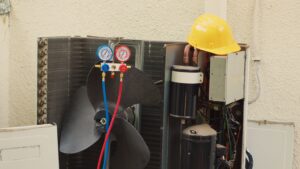
- If you’re topping up gas repeatedly, that’s also a red flag. Refrigerant doesn’t get “used up.” Frequent top-ups usually mean there’s a leak.
-
Efficiency upgrades you actually feel
Newer inverter systems cool more smoothly and maintain temperature better. They’re typically quieter and offer improved humidity control, which makes a big difference in comfort.
Many homeowners notice lower electricity bills after upgrading, although exact savings depend on usage patterns and system sizing. An aircon replacement can improve comfort and running costs at the same time.
- When the repair won’t restore efficiency
- Some problems go beyond a simple fix:
- Repeated gas top-ups from unresolved leaks
- Ageing coils or compressor wear
- An undersized or oversized system from the start
In these cases, repeated aircon repair may only patch symptoms instead of solving the root issue.
Factor 4: Frequency of Breakdowns — The Pattern Matters
One breakdown isn’t unusual. A pattern is.
-
Breakdown red flags
- Two or more breakdowns within 12 months
- The same fault is returning after repair
- Different parts are failing within a short period
If you’ve needed emergency aircon repair more than once recently, that’s usually a sign the system is under strain.
-
What frequent breakdowns usually mean
Frequent issues often point to:
- General system wear, especially the compressor, fan motor, or PCB board
- A dirty or blocked system that hasn’t been properly maintained
- Installation or sizing issues that cause ongoing stress
When multiple components start failing, the system may be nearing the end of its usable life.
-
Practical advice
Keep a simple record of repairs: the date, the problem, the cost, and what was replaced. If the list starts getting long, that’s your signal.
At some point, continuing repairs becomes more expensive than moving forward with aircon replacement. Looking at the full pattern, instead of just the latest fault, helps you make a decision you won’t regret a year from now.
Decision Guide: Repair Vs Replace
| Situation | Repair is usually the right call | Replace is usually the right call |
|---|---|---|
| Age of unit | Under 7 years old | 10+ years old |
| Type of problem | Minor issue (e.g., small part, drainage, sensor) or first major repair | Major component issue, or problems stacking up |
| Cooling performance | Cooling is still strong and consistent | Cooling is weak, uneven, or takes much longer than before |
| Electricity bill | Bills are stable with similar usage | Bills are noticeably higher with similar usage |
| Repair history | No repeat faults, no frequent call-outs | Same issue comes back, or multiple faults in a short time |
| Repair quote vs new system | Repair cost is relatively small compared to replacement | Repair quote is a big chunk of a new system’s cost |
If you’re still not sure whether to repair or replace, compare your situation with a few common “real-life” cases. If your aircon needs gas every few months, that usually points to a leak, and repeated top-ups rarely solve the root cause for long. If it cools but your bill jumped, the unit may be losing efficiency and running harder than it should.
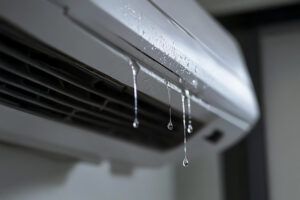
If your system is old but only runs at night, it may seem fine for now, but once major components start failing, putting money into repairs usually doesn’t make much sense, financially. If it keeps tripping or leaking water, it might be a straightforward fix, but repeated electrical faults or recurring leaks can be a sign the system is wearing out. If one room always feels warmer than the rest, it might be an airflow or maintenance issue, or it could mean the system wasn’t sized properly in the first place.
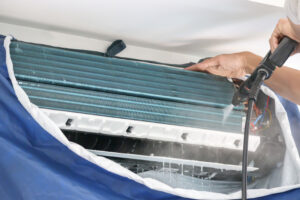
Hence, before you decide, confirm the actual fault (not just “not cold”), ask whether it’s a leak, board, compressor, or fan motor issue, and check if anything is still under warranty. Also, weigh the aircon servicing price against the likelihood you’ll be calling again in a few months. If you do replace, make sure you choose a proper aircon installation service so the new system is sized and installed correctly. If you want a clear answer based on what’s happening in your home, Peak Cool can inspect your unit and recommend the most practical next step, whether that’s troubleshooting, general servicing, a chemical wash/overhaul, or a maintenance contract to prevent repeat breakdowns.
Conclusion:
At the end of the day, the best choice is the one that keeps your home comfortable without draining your wallet over repeated fixes and rising power bills. Use the four factors above to spot the tipping point, then get a professional diagnosis so you’re not guessing based on just symptoms. Book an inspection with Peak Cool today and let our team recommend the most practical solution for your system.