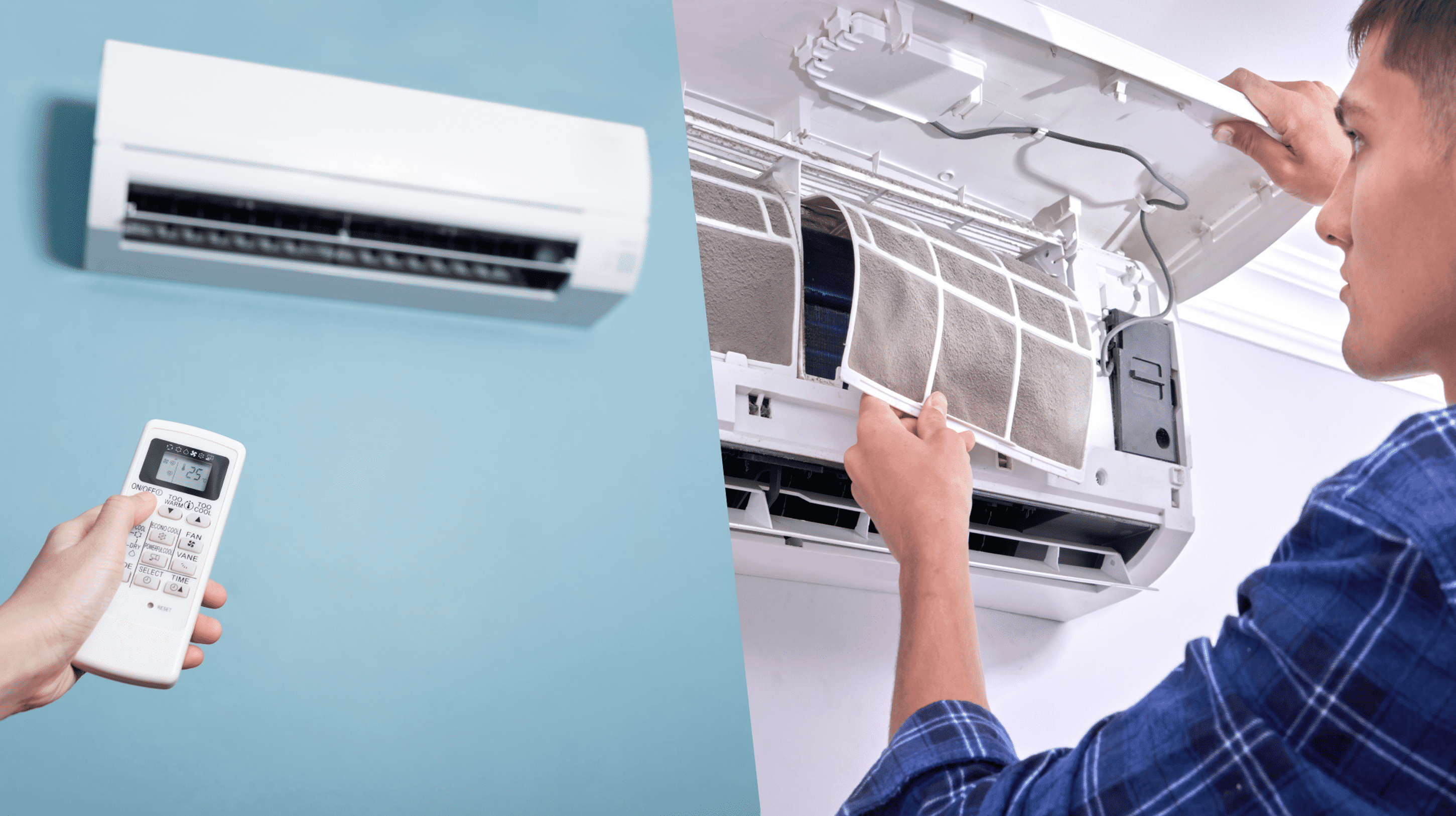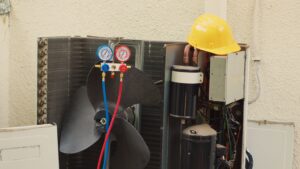
Weak cooling often leads people to ask for an aircon gas top-up, assuming the gas has simply run out. But refrigerant doesn’t get “used up” during normal operation, so when it’s low, there’s usually a leak or another issue behind it. A top-up can make the aircon feel cold again at first, but that improvement often doesn’t last if the real problem isn’t fixed. So let’s first look at when a gas top-up truly helps and when it’s just a temporary patch.
When Does An Aircon Gas Top-up Actually Help?
1. After a confirmed leak has been repaired
If a technician has already found and fixed a refrigerant leak, topping up the gas is necessary to restore the system to the correct level. In this case, the top-up isn’t a guess or a quick patch. It’s part of a proper repair process that includes pressure testing, vacuuming the system, and then recharging it so the aircon can cool efficiently again.
2. After a new installation or major piping work
During a new aircon installation or when old piping is replaced, some refrigerant may not be added in the correct amount initially. A top-up helps bring the system to the right operating level once everything is connected and tested. This is especially common after renovations or when upgrading to a new unit.
3. When the system was undercharged from the start
Sometimes an air conditioner is undercharged during installation due to rushed work or incorrect setup. In these cases, the unit may never have cooled properly from day one. A correct gas top-up, done with proper measurements and checks, can immediately improve cooling and overall performance.
4. Minor refrigerant loss over a very long period
Although rare, a very small loss of gas can happen over many years through joints or valves, especially in older systems. When the drop is gradual and takes years to become noticeable, topping up can help restore normal cooling without any underlying fault that needs repair.
5. When proper checks are done before topping up
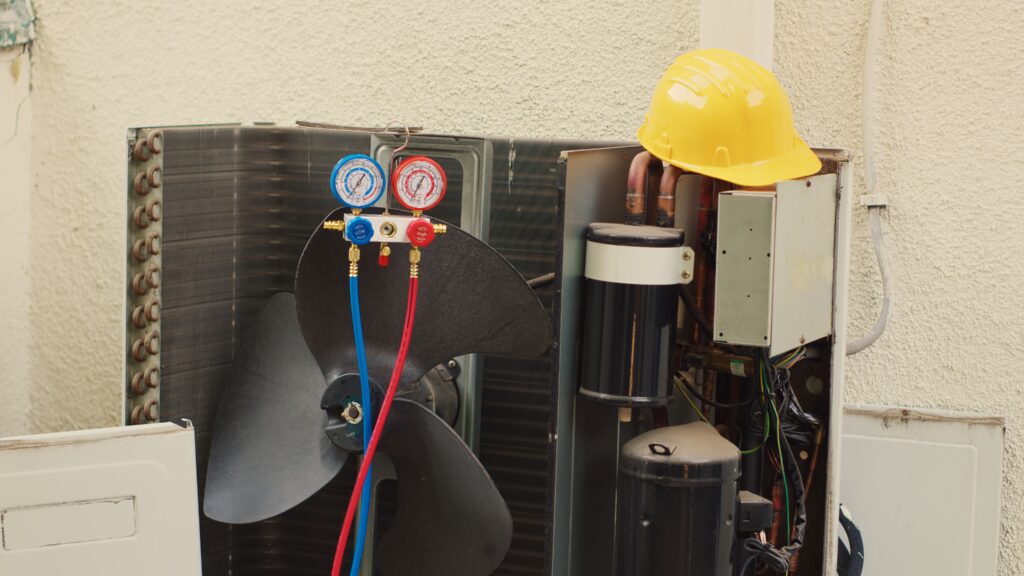
A gas top-up makes sense only when it follows proper diagnostics. This includes checking pressure readings, inspecting joints and connections, and confirming there are no active leaks. When these steps are done, topping up becomes a corrective step rather than a temporary guess.
When A Gas Top-up Doesn’t Help (Or Only Helps Briefly):
1. There is an active refrigerant leak
This is the most common reason. If gas escapes from a joint, valve, or coil, topping up simply replaces what has already leaked out. Cooling may improve at first, but once the gas leaks again, performance drops. Repeated top-ups without fixing the leak waste money and don’t address the real fault.
2. Dirty components are causing poor cooling
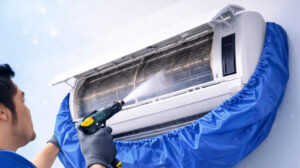
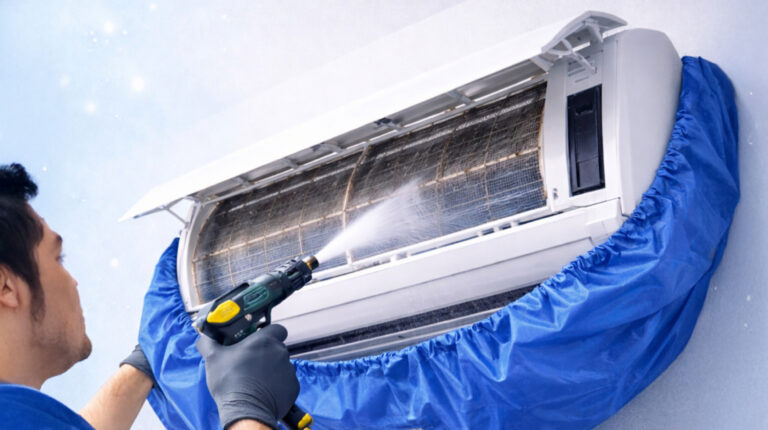
Clogged filters, dirty fan coils, or blocked blowers restrict airflow and reduce cooling efficiency. These problems often feel like “low gas” but have nothing to do with refrigerant levels. In this case, no amount of gas top-up will restore proper cooling until the system is cleaned.
3. Electrical or control issues
Faulty capacitors, fan motors, sensors, or control boards can prevent the system from running correctly. The air conditioner may turn on but fail to cool consistently, leading to the assumption that the gas is low. Topping up won’t fix electrical problems and can delay proper repairs.
4. Icing caused by airflow problems
Frozen coils are often blamed on low gas, but poor airflow is just as common a cause. Dirty filters or a weak fan can lead to icing even when gas levels are normal. In these cases, topping up gas doesn’t solve the icing and may even make diagnosis harder later.
5. Underlying installation or piping issues
Poor workmanship, loose flare joints, or improper piping can cause repeated performance issues. A gas top-up might mask the problem temporarily, but the same symptoms return because the installation issue was never corrected.
Don’t Just Go For A Top-Up: Find The Leak, Fix It Properly
Cooling often improves right after an aircon gas top-up, but then, if it turns weak again in days or a few weeks, it is a strong hint there’s a leak. You can also look out for oily marks around joints or flare nuts (just observe, don’t touch). Another common sign is repeated icing even after you’ve cleaned the filters and made sure airflow is normal.
For multi-split systems, one indoor unit consistently underperforming while the others are fine can also point to a leak along that specific line. If you notice a new hissing sound near the indoor or outdoor unit, mention it during your check. When these signs show up, it is always better to reach out to professionals, who can help you confirm what’s likely happening before you spend more on repeat top-ups.
The moment you suspect a leak, book a diagnosis with Peak Cool instead of requesting only gas, and ask for the key readings (like pressures and temperature checks) so you understand the findings.
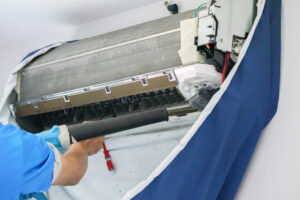
For accurate aircon troubleshooting, Peak Cool technicians start by inspecting joints, service valves, and coils, then use nitrogen pressure testing to check for any pressure drop that indicates a leak. A bubble test is often carried out at the joints, and even an electronic leak detector is used when needed. Also, we explain the likely repair route and the aircon servicing price upfront. If your unit stops cooling suddenly or you need help fast, we offer emergency aircon repair support as well.
Conclusion:
A gas top-up is necessary, but only in certain situations. For example, if cooling drops again within a few days after a gas top-up, it doesn’t mean you need another top-up; it means the problem lies elsewhere. The best way to stop repeat top-ups is to check for leaks, fix the cause, and recharge the system properly. If your aircon isn’t cooling well or you suspect a leak, Peak Cool can run a full diagnosis and explain the readings and repair options. Contact us today.