Singapore’s hot and humid climate makes a dependable cooling system essential for commercial properties. In offices, retail shops, and corporate environments, indoor comfort plays a direct role in employee productivity, customer experience, and the overall impression of the space.
When the installation is not handled correctly, problems can arise quickly and lead to costly consequences. Uneven cooling, rising energy bills, staff discomfort, customer complaints, and unnecessary breakdowns can all result from poor planning or workmanship.
These issues not only disrupt business operations but can also lead to higher long-term maintenance and repair costs. On the other hand, professional aircon installation ensures steady cooling, supports smooth day-to-day operations, and creates a more comfortable environment for everyone on the premises.
So, let’s take a look at the key considerations for offices, retail shops, and larger corporate spaces, so you can make more informed decisions when planning a commercial aircon installation.
A Guide To Planning Commercial Aircon Installation For Offices, Retail Shops And Corporate Spaces:
Offices
-
Start with a detailed assessment of the workspace.
Office cooling requirements depend on more than floor area alone. A proper assessment should consider workstation density, meeting rooms, equipment heat, ceiling height, sun exposure, and operating hours. This helps ensure the system is matched to the actual working environment rather than based on rough assumptions.
-
Plan indoor unit placement carefully.
Indoor units should be positioned so that air is distributed evenly across the office without blowing directly onto desks, reception counters, or meeting tables. Poor placement can lead to discomfort, uneven cooling, and unnecessary strain on the system, even when the equipment itself is suitable.
-
Make sure airflow works across different office zones.
Open-plan areas, private rooms, meeting spaces, and common areas may all require different airflow considerations. A well-executed aircon installation should support balanced cooling throughout the office rather than overcooling one section and leaving another too warm.
-
Check drainage, piping, and electrical work thoroughly.
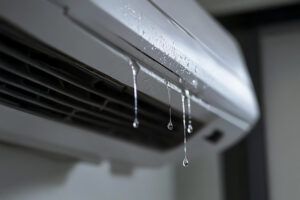
In offices, faults such as leaking drain pipes, poor insulation, or inadequate electrical planning can disrupt operations, while also damaging ceilings, walls, or fittings. These technical details need to be handled properly from the beginning to avoid unnecessary issues later on.
-
Allow access for future servicing.
A properly installed office system should be easy to inspect, clean, and maintain. Units that are difficult to access can turn routine aircon servicing into a more disruptive and costly process.
Retail Shops
-
Assess the shop layout and customer flow first.
Retail spaces often come with cooling challenges that differ from those in offices. Frequent door openings, glass frontage, display lighting, customer traffic, and compact layouts can all affect temperature control.
Warm air entering through entrances and heat generated by lighting or equipment can place extra demand on the system, so the setup must be planned with these conditions in mind. A proper installation should begin with a clear understanding of how the shop operates throughout trading hours.
-
Position units without affecting the store layout.
Indoor units should be installed in a way that supports cooling performance while also respecting the visual presentation of the shop. They should not interfere with shelving, signage, product displays, or the overall customer experience.
-
Focus on even cooling across the shopping area.
Customers should feel comfortable wherever they are in the store, not just in selected corners. Peak Cool’s aircon installation service always accounts for airflow to prevent warm spots near entrances and poorly cooled areas around busy display sections.
-
Install the drainage system properly to avoid leaks.
In a retail setting, leaks can be especially disruptive because they may affect flooring, stock, fittings, or customer safety. Proper drain pipe routing and the correct slope are essential parts of a professional installation.
-
Ensure the outdoor unit is placed correctly.
Outdoor units should be installed where there is enough ventilation and sufficient access for future checks. If the outdoor unit is poorly positioned, the system may struggle to perform efficiently during long retail operating hours.
Corporate Spaces
-
Take a broader planning approach from the beginning.
Corporate spaces are often larger and more complex than standard offices or shops. They may include multiple departments, meeting rooms, executive suites, reception areas, and collaborative zones. Proper planning starts with a full understanding of how each area is used and how cooling demand may vary across the premises.
-
Choose a system that matches scale and complexity.
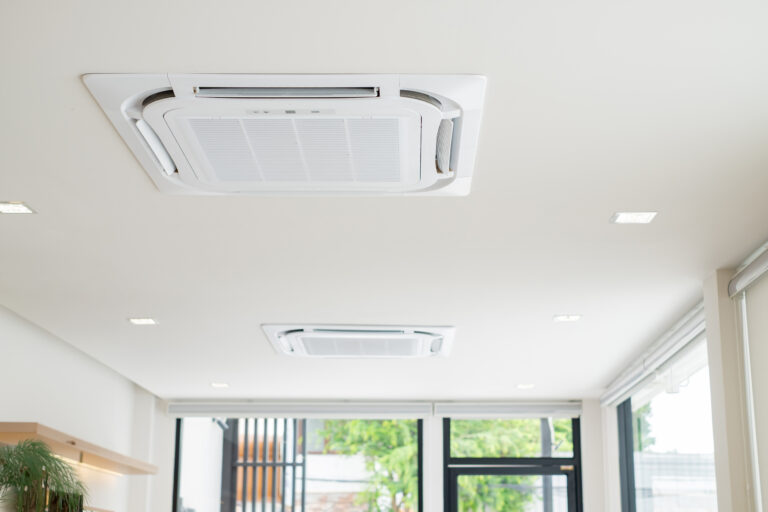
Larger commercial premises may need more advanced cooling solutions, especially when multiple rooms or zones must be managed at the same time. At Peak Cool, our commercial aircon installation specialists assess system capacity, zoning needs, and future layout adjustments from the outset.
-
Coordinate technical requirements early.
Corporate projects often involve more detailed planning around electrical load, drainage routing, ceiling coordination, structural limitations, and outdoor unit placement. If these factors are not addressed early, the project may face delays, added costs, or performance issues later.
-
Plan for balanced airflow across multiple areas.
In larger premises, cooling should not be concentrated only in reception or common zones. Boardrooms, offices, corridors, and shared spaces should all receive suitable airflow to maintain comfort throughout the property.
Before the installation is signed off, whether for an office, retail shop, or corporate space, the system should be thoroughly checked for temperature performance, airflow balance, drainage, and control response. In larger commercial premises, however, testing should extend beyond these basic cooling checks. You should also verify zoning performance, airflow distribution, drainage, controls, and the system’s overall responsiveness across all relevant areas.
Conclusion:
A carefully planned commercial aircon system helps create a more comfortable, efficient, and reliable environment for offices, retail shops, and corporate spaces. When the installation is carried out with careful planning and technical precision, you can achieve stronger long-term performance. At Peak Cool, we deliver commercial aircon solutions tailored to your space, operational needs, and future requirements. Get in touch with us today to schedule a site assessment.