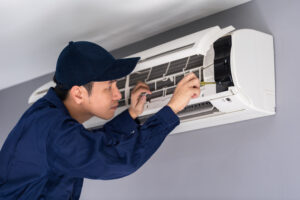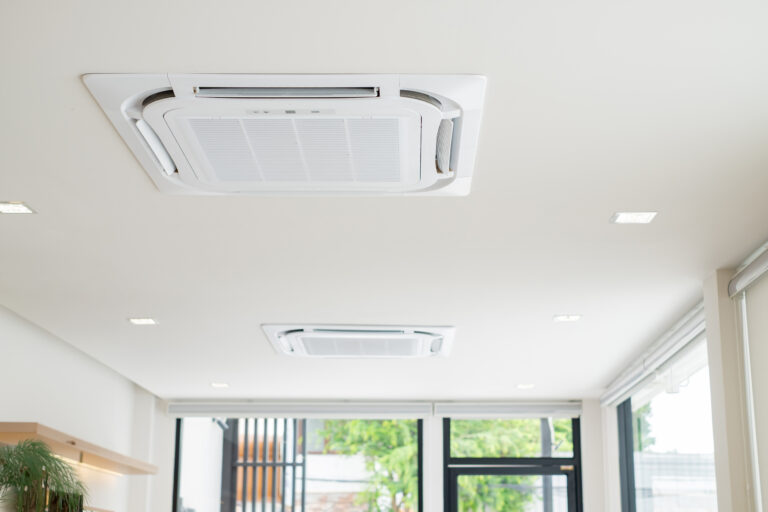
The moment your air conditioner stops doing its job, you feel it immediately. The unit is on, the fan is running, and yet the room still feels warm and sticky. In most cases, the cooling problem shows up in a few common ways: the air coming out feels warm, the air is slightly cool, but the airflow is weak, or the unit cools for a while before struggling or stopping altogether. However, before you call a technician, run through the quick aircon troubleshooting checks below to rule out simple, fixable issues.
9 Quick Troubleshooting Steps To Try Before Seeking Professional Help:
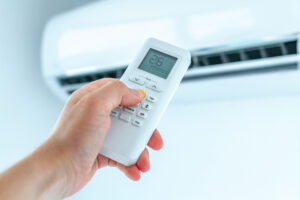
1. Check the remote control and operating mode.
- Confirm the unit is set to cool mode (not Fan, Dry, or Auto if it isn’t cooling as expected).
- Set the temperature to 18–20°C for a short test and fan speed to “high” to see if the air temperature changes.
- If the remote display is dim or inconsistent, replace the batteries. Weak batteries can cause wrong settings or a poor signal to the unit.
2. Confirm power supply and electrical protection.
- Make sure the wall isolator switch (if you have one) is turned on.
- Check your home’s circuit breaker for any tripped switches related to the aircon.
- If the breaker trips again after resetting, stop using the unit. Repeated tripping can indicate an electrical fault, and you should contact an aircon repair service provider.
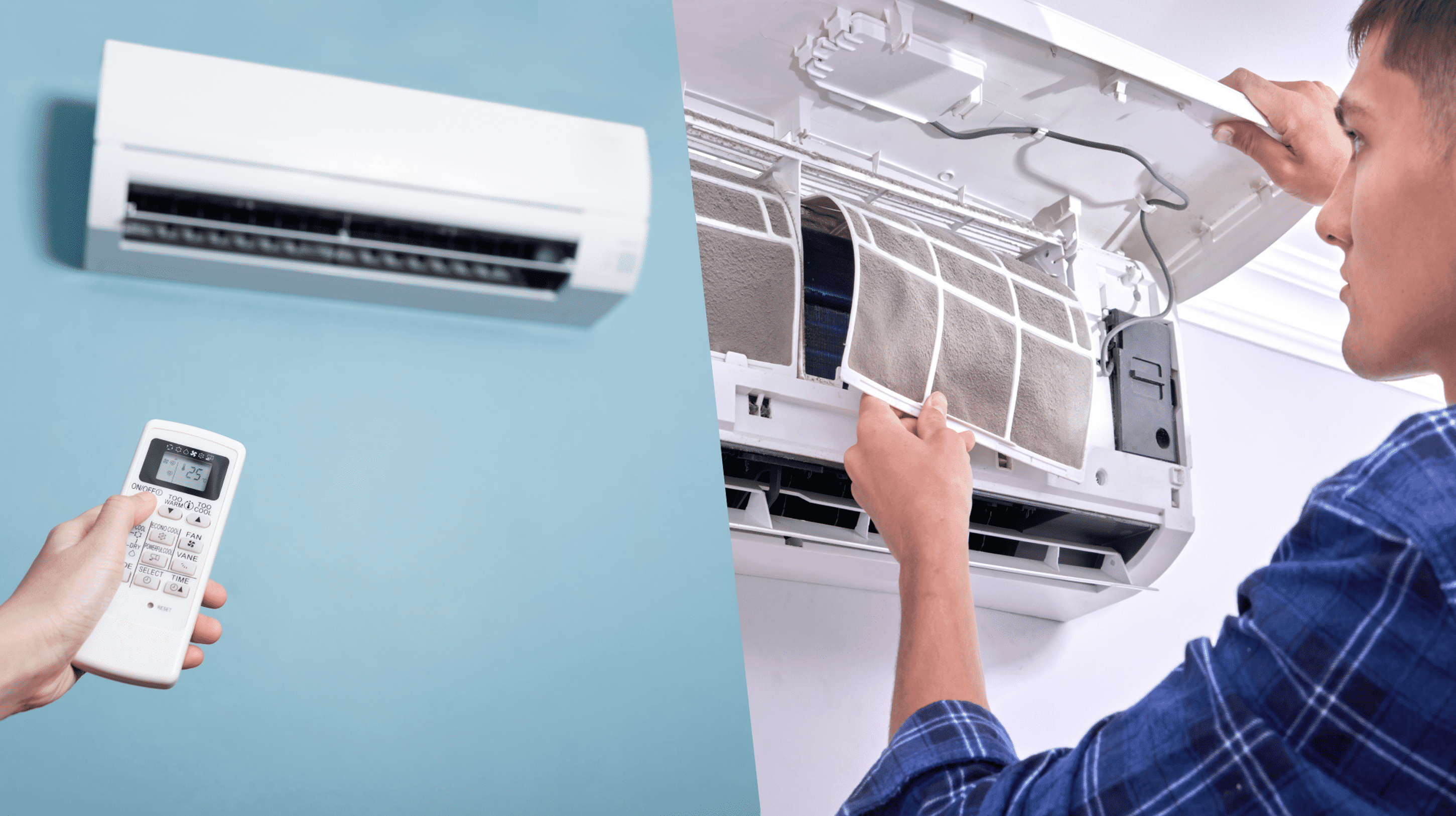
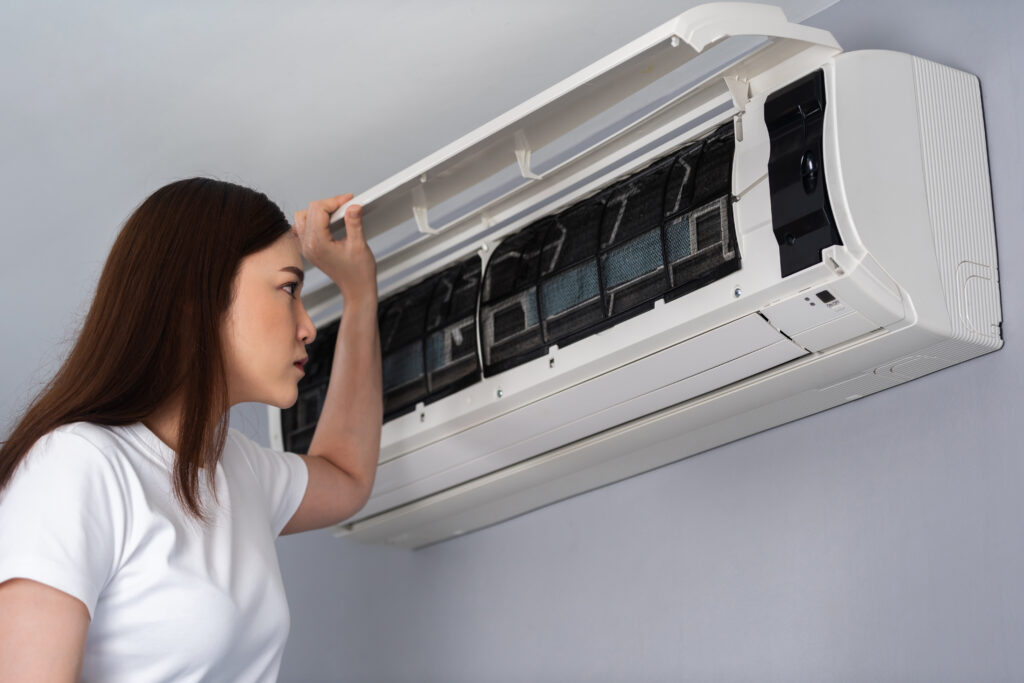
3. Inspect and clean the air filter.
- A clogged filter is one of the most common reasons cooling feels weak because it chokes airflow.
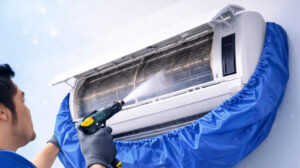
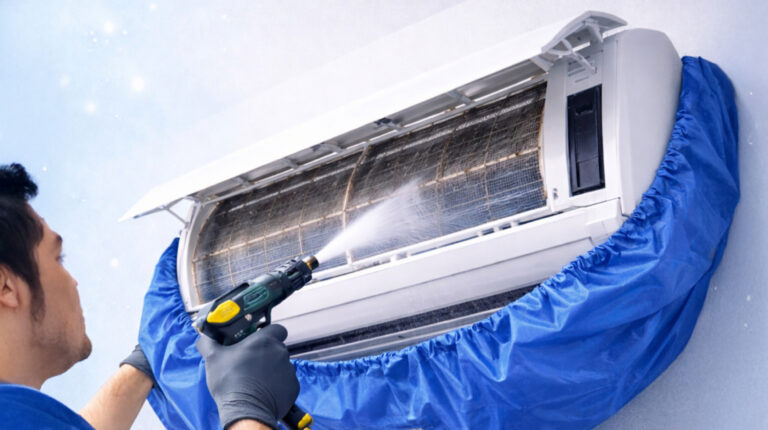
- Open the front panel, remove the filter, rinse under running water, and let it dry completely before reinstalling.
- If you run the aircon daily, cleaning every 2–4 weeks is a smart habit and a core part of routine aircon maintenance.
4. Test the airflow strength from the indoor unit.
- Place your hand near the air outlet and feel the airflow. If it’s weak, the room will feel warm even if the system is trying to cool.
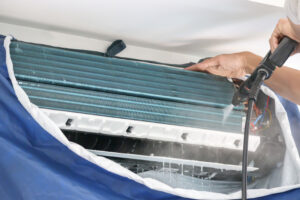
- Weak airflow often points to a dirty filter, dirty coils, or a blower issue.
- If airflow stays weak even after filter cleaning, it’s time to call a professional to check the internal fan and coil condition.
5. Check for airflow blockages in the room.
- Ensure the air outlet isn’t blowing directly into a curtain, cabinet edge, or a tall piece of furniture.
- Make sure doors and windows are closed during testing. When hot outdoor air keeps flowing into the room, it can give the impression that the aircon isn’t cooling as it should.
- If the room is large or gets strong afternoon sun, cooling can take longer. Use curtains/blinds during peak heat for a fair test.
6. Inspect the outdoor unit (condenser) operation.
- Go to the outdoor unit and check if the fan is spinning and you can hear a normal operating sound.
- Clear obvious obstructions around it (leaves, dust build-up, items stored too close). The outdoor unit needs space to release heat.
- If the outdoor fan isn’t running at all while the indoor unit is on, that’s a strong sign of a component or electrical problem that requires professional diagnosis.
7. Look for water leaks and drainage problems.
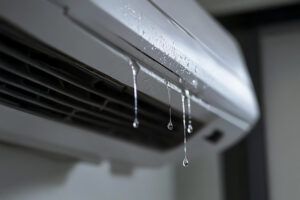
- Check for dripping water from the indoor unit, wet patches on the wall, or water pooling near the trunking.
- Drainage issues can cause the system to shut down or perform poorly, and they can lead to mould or ceiling damage if ignored.
- If you’re seeing repeated leaks, don’t just wipe it up. Have the drainage and piping checked properly to prevent larger repairs later.
8. Check for ice build-up (frost on pipes or the indoor coil).
- Signs include very weak airflow, the unit “struggling,” or visible frost/ice on the indoor coil or piping.
- Turn the unit off and run Fan mode for a while to thaw it out before using it again.
- If ice returns, it may indicate low airflow or refrigerant-related issues. At that stage, further DIY checks won’t solve the issue, and it’s best to have a technician take a look.
9. Know the red flags.
- If you smell burning, hear loud electrical buzzing, see sparks, or notice the unit behaving erratically, switch it off right away.
- These are safety concerns, not “wait and see” situations. This is when opting for an emergency aircon repair service is the correct move.
- Don’t continue testing or repeatedly restarting the unit, as that can worsen damage and increase risk.
Conclusion:
If the cooling issue is still there after these checks, it’s likely something that needs a proper on-site inspection. Peak Cool can diagnose the fault accurately, walk you through the findings, and recommend the most practical fix for your unit. Whether it’s a repair, servicing, or a thorough cleaning, we’ll help you restore reliable cooling. Get in touch with us to book an inspection.